In this article about natural cures for depression I will cover the following topics:
There may be recommended product links in this post. If you click one of these links and buy, the small commission I recieve will help support me run this with depression. Thank you!
- Why choose a natural cure to overcome depression?
- What natural remedies are available? How do they compare?
- Do they really work?
Why Choose a Natural Remedy for Depression ?
Natural cures for depression are sometimes just as effective as medication (anti-depressants). If you have tried counseling, have gone to a doctor and tried some form of medication you may still after, all that, get depressed because these conventional treatments are often not successful long term.
Medication in most cases is short-term and you may suffer side effects especially coming off them. Generally, with natural remedies for depression there are few if any side effects or withdrawal symptoms.
Counseling aims to help you understand the reasons why you feel depressed psychologically. For example, perhaps you need help dealing with stress and difficulties in your life. Talking to a professional therapist or counsellor can really help you. With the new affordable care act (ACA) legislation making prescription medicines much more affordable, medication may be a choice but counseling still seems like a no-brainer to me. Ever thought about counseling? It is very effective and a very practical option to consider.
When preparing for major purchases like counseling or medical treatments, or when filing taxes many people consider making a personal budget. This same type of preparation may be helpful when considering options regarding natural treatment. Comparing the facts and effectiveness of natural cures is an important step in this course of action. Many government resources are available for financial planning, so resources should be available when considering options other than standard medical treatments. Whatever state or location you’re in, options are available. Below we discuss the popularity and effectiveness of natural cures that can be used in conjunction with counselling or alone.
Most Popular Natural Cures for Depression
Food:
Low-fat dairy products, bananas, turkey and soy foods help boost serotonin in your brain which improves your mood.
There are some claims that carbohydrates are helpful in that they may have a connection with the positive mood boosting chemical Serotonin. If you have a craving for carbs it might be that you need to boost your level of Serotonin and may be at risk of depression. This has not be proven however so take this with a pinch of salt.
Foods that have a lot of protein such as turkey or chicken may also help with depression because they contain Tryptophan which may boost your serotonin levels.
Omega-3 oils – There are numerous studies that indicate eating fish, especially oily fish that contains Omega 3 is not only good for your heart, but helps protect you from depression too, (see also below under supplements) – tuna, fish, purslane, salmon, nut oils.
If you lack omega-3 fats in your diet you may suffer from tiredness (fatigue), poor memory, dry skin, heart problems, mood swings, depression, and poor circulation. Various studies have found a link between Omega-3 oils and bipolar disorder and depression.
Depression can result from the body taking in too many refined carbohydrates. Too many man-made unnatural foods is not healthy and sugar is so addictive! Sugar can help cause mental illness, because it causes insulin resistance, unstable blood sugar levels and raised stress hormones.
One solution to depression is better nutrition, less drugs or psychotherapy, but acceptance of this idea needs a change of thinking.
Herbal treatments:
St. John’s Wort – alters brain chemistry and improves your mood and depression. Although natural it is so strong it should not be used alongside medication. Consult a doctor before doing so. Generally confirmed as quite effective in treating depression. I have tried this and it worked for me. Be aware of one possible side effect though, St. John’s Wort makes some people more sensitive to sun exposure so be careful and test this.
Recent studies indicate that a specific extract of Hypericum perforatum was as effective as prescription antidepressants and had far fewer side effects (thus available without a prescription for the treatment of mild to moderate depression) and costs a lot less – about 25 cents a day.
In Germany, more than fifty percent of depression, anxiety, and sleep disorders are treated with St. John’s Wort. Prozac is just two percent.
Want to find out how you can destroy depression and get your life back?
Click Here to Read More
Exercise:
Exercise improves sleep, and improves your energy level. Exercise maintains physical health and controls weight, it also helps you to look and feel good which improves your self-esteem. It also helps increase endorphins in your brain which actually give you a boost in happiness. If your exercise is taken outside in the fresh air it is even more effective and can boost your immune system as well as your feelings of well-being.

A few small studies even hint that, in cases of mild to moderate depression, exercise may be as effective as standard therapies. Doctors caution that exercise is not a substitute for good medical care, however, but should be used in addition to other treatment.
Sleep:
A good night’s sleep is so important to the body and can definitely make your immune system and brain function stronger so that you can function more healthily, feel better and less likely to be depressed. Caffeine can also disrupt sleep patterns and increase anxiety so avoid drinking too much of it, better to cut it out all together. make sure you encourage a good night’s sleep by relaxing before going to bed and do not watch intense or action-packed films before you try to sleep. A hot drink can also help you calm down.
Supplements:
Omega 3 fish oils -The Inuits have a very low rate of heart disease. Why? Simple, they eat fish. The American Heart Association advises everyone to eat at least two 3-ounce servings of fatty fish every week. Doctors can confim the connection between Omega – 3 oils and depression. Children suffering from depression can also be helped by Omega-3 oils and so feed your children fish!
B-Vitamins:
B vitamins may also help. Nuts, fruits and dark green vegetables provide these vitamins. The B-complex vitamins are essential to mental and emotional well-being. B vitamins are destroyed by alcohol, refined sugars, nicotine, and caffeine so it is likely that many people may be lacking in these.
Vitamin B1 (thiamine):
The brain uses this vitamin to help convert glucose, or blood sugar, into fuel, and without it the brain rapidly runs out of energy!
-
- This can lead to fatigue, depression, irritability, anxiety, and even thoughts of suicide. Memory problems, loss of appetite, insomnia, and gastrointestinal disorders are some of the problems caused by a deficiency of B1. Eating refined carbohydrates, like simple sugars, drains the body’s B1 supply.

- This can lead to fatigue, depression, irritability, anxiety, and even thoughts of suicide. Memory problems, loss of appetite, insomnia, and gastrointestinal disorders are some of the problems caused by a deficiency of B1. Eating refined carbohydrates, like simple sugars, drains the body’s B1 supply.

-
- Vitamin B3 (niacin): A deficiency of this vitamin can cause Pellagra-resulting in psychosis and dementia. Deficiencies of vitamin B3 can also cause agitation and anxiety, as well as mental and physical slowness.
-
- Vitamin B5 (pantothenic acid): Symptoms of deficiency include fatigue, chronic stress, and depression. Vitamin B5 is vital for hormone formation and the uptake of amino acids and the brain chemical acetylcholine, which combine to prevent certain types of depression.
-
- Vitamin B6 (pyridoxine): This vitamin is necessary in the manufacture of serotonin, melatonin and dopamine. Vitamin B6 deficiencies are very rare but can cause damaged immunity, skin lesions, and mental confusion. Alcoholics, patients with kidney failure, and women using oral contraceptives are at risk of such a deficiency. MAOIs may also lead to a shortage of this vitamin. Many doctors believe that most diets do not contain enough of this vitamin.
- Vitamin B12: deficiency leads to a problem known as pernicious anemia. This disorder can cause mood swings, paranoia, irritability, confusion, dementia, hallucinations, or mania, eventually followed by appetite loss, dizziness, weakness, shortage of breath, heart palpitations, diarrhea, and tingling sensations in the extremities. Deficiencies develop slowly, because the body stores a three- to five-year supply in the liver. Older people are more at risk of B12 deficiencies.
Other natural remedies
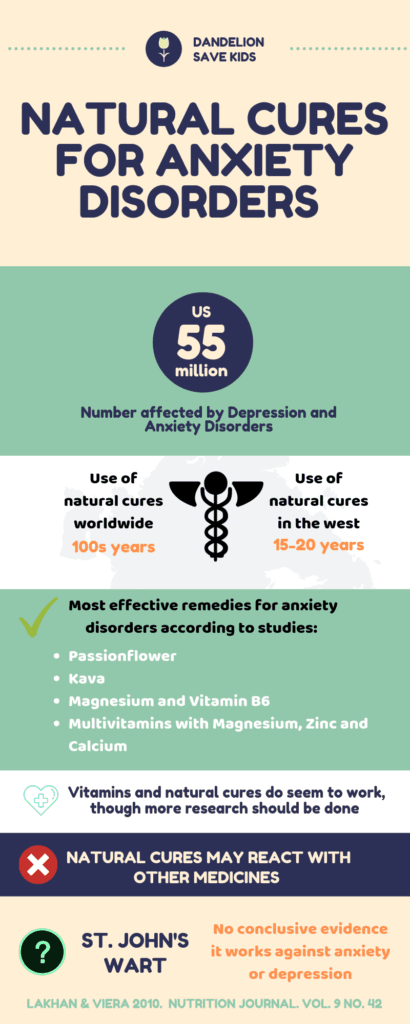
There are many other natural cures for depression and these include:
-
- Meditation – relaxing your mind and switching off thought as you focus on your breathing is a great way to rest inside. Depression is stress related and so anything which calms you down and relieves this stress is not only good for you, it is one of the best cures.
-
- Yoga – again relieves stress and is good for you. It is an effective cure for anxiety and depression because it relaxes your body and mind.
-
- Exposure to sunshine – in winter depression can set in because of low levels of light or sunshine. One of the best natural cures is exposure to sunlight which also is good for your body because it boosts your vitamin D levels.
-
- Homeopathy – a completely natural form of treatment. Cures are given as medicine specifically matched to the condition.
-
- Aromatherapy – the practice of cures consisting of natural oils. For example, jasmine oil is a natural smell that is good for depression as it is uplifting for the mind.
- Art Therapy – this form of therapy involves creativity and expression which helps promote well-being and happiness.
The above list of natural cures for depression is just the beginning. There are many alternatives to standard medical treatments. So don’t limit yourself to standard treatments, ask for advice about natural cures. These can make all the difference.
Read More:
 Karl Perera is a fully qualified Life Coach, Teacher and Author of